

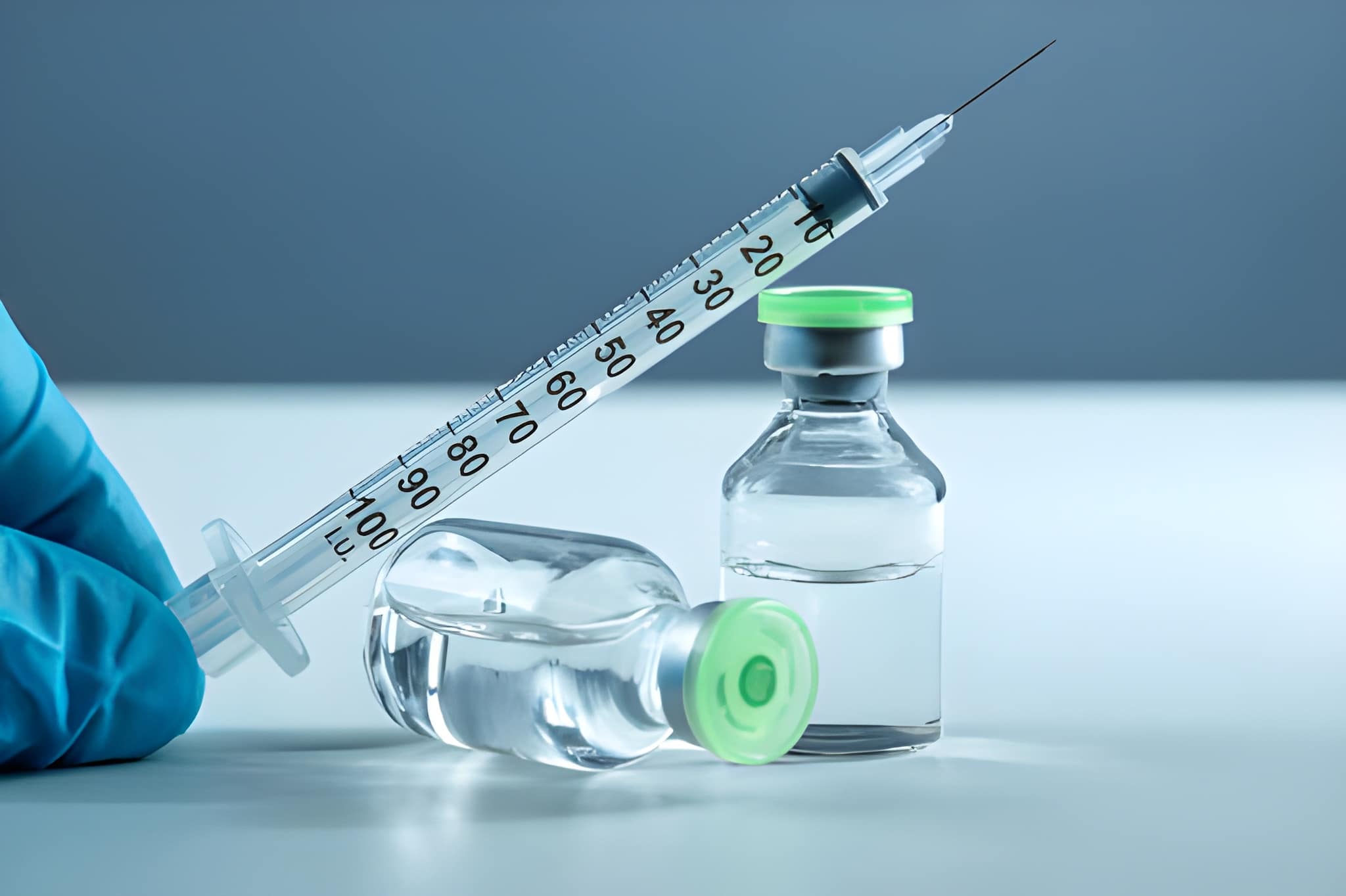
India’s relationship with diabetes has long been a complicated one. With more than 100 million people currently living with the condition, the nation carries one of the world’s heaviest metabolic burdens. On World Diabetes Day, conversations often circle around awareness and prevention — but this year, one class of drugs has taken center stage: GLP-1 receptor agonists, a transformative therapy reshaping how India manages diabetes.
Why GLP-1 Is Becoming India’s Big Metabolic Story
Unlike older diabetes medicines that simply stimulate insulin release, GLP-1 therapies mimic a natural gut hormone — Glucagon-Like Peptide-1 — that regulates blood sugar more holistically. They slow digestion, curb cravings, aid weight loss, and improve insulin sensitivity. This multi-pronged benefit makes them especially powerful for Indians, whose diabetes is often driven by abdominal fat and lifestyle-linked insulin resistance.
For many patients, these therapies are doing what years of medications, diets, and insulin adjustments could not: helping them achieve stable sugar levels while shedding unhealthy visceral fat.
New Formulations, New Hope
The evolution of GLP-1 treatments over the last decade has been striking. What began with early injectables has grown into a portfolio of advanced options like once-weekly shots and oral tablets, expanding access for people who previously feared needles or complex regimens.
The newer molecules — such as semaglutide and tirzepatide — have set a new benchmark in diabetes outcomes. Many patients report not just better glycemic control but improvements in energy levels, appetite regulation, and overall metabolic health. For those battling diabetes for years, GLP-1 therapies feel like a long-awaited step toward reclaiming their bodies.
India’s Unique Advantage — and Challenge
India is rapidly emerging as an important player in the global GLP-1 ecosystem. Domestic pharmaceutical companies are investing in research, manufacturing, and biosimilar development, aiming to make these therapies more affordable. This could be a game-changer for millions who currently struggle to access these medications due to high prices.
But this progress is shadowed by a critical challenge: cost. At present, GLP-1 drugs remain out of reach for many middle- and lower-income families. Most patients in India pay out-of-pocket for healthcare, and long-term therapies with premium pricing can become financially overwhelming. This is why patient advocates are pushing for inclusion of GLP-1 therapies in national health programs and insurance coverage.
A Shift in How Doctors Approach Diabetes
Doctors across India describe GLP-1s as a paradigm shift. Instead of treating diabetes as a numbers game — fasting sugars, HbA1c targets, calorie counts — they now approach it as a holistic metabolic disorder. GLP-1 therapies support this shift by addressing the root metabolic dysfunction rather than just sugar levels.
There is also growing consensus that these drugs may help delay the need for insulin in many patients, reduce long-term complications, and improve heart health — a crucial benefit in a country where cardiovascular disease is the leading cause of diabetes-related deaths.
The Road Ahead: A Balanced Mix of Optimism and Realism
The promise of GLP-1 therapies in India is undeniable. They offer a new path — one that blends gut science, metabolic healing, and patient-centered outcomes. But for this revolution to truly reshape the nation’s diabetes landscape, accessibility must improve. Price regulation, wider insurance coverage, and domestic manufacturing will be key steps in making GLP-1 therapy a realistic option for the masses.
As India stands at this metabolic crossroads, GLP-1 receptor agonists symbolize something rare in chronic disease care: a blend of innovation, hope, and tangible change. If the momentum continues, India’s future with diabetes could look very different — lighter, healthier, and far more empowered.

