

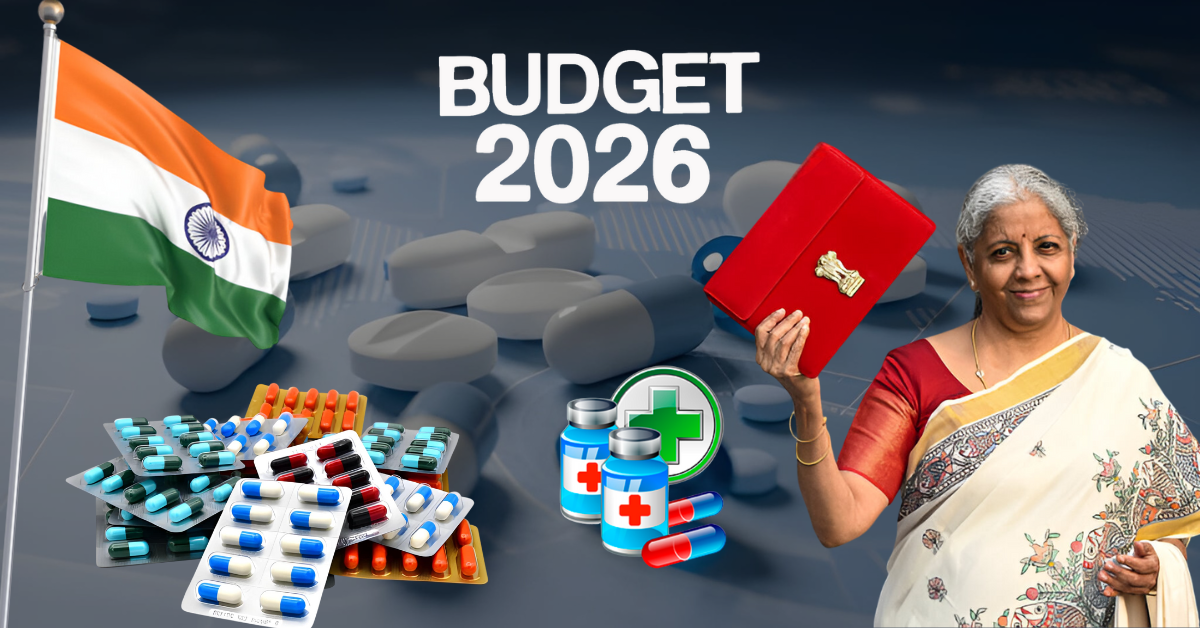
The Union Budget 2026–27, presented by Finance Minister Nirmala Sitharaman, made waves for its bold focus on healthcare innovation, especially through the launch of the Biopharma SHAKTI scheme — a ₹10,000 crore initiative designed to propel India into the global biopharmaceutical spotlight. More than just a headline figure, this programme charts a strategic shift in India’s health and pharmaceutical landscape, aiming to build self-reliance, expand advanced drug capabilities, and empower the nation to compete on a global scale. Here’s an in-depth look at what this ambitious initiative entails — and why it matters.
🧬 What Is Biopharma SHAKTI?
Biopharma SHAKTI — an acronym for Strategy for Healthcare Advancement through Knowledge, Technology and Innovation — is more than a funding programme. It’s a comprehensive blueprint aimed at nurturing the entire biopharmaceutical ecosystem in India with a dedicated ₹10,000 crore outlay over the next five years. The scheme underscores a national push toward developing and manufacturing biologics and biosimilars domestically — two segments that represent the cutting edge of modern medicine.
Biologics are complex medicines derived from living organisms, used to treat serious conditions like cancer, autoimmune disorders, and genetic diseases. Unlike traditional chemical drugs, these require high-end research, precision manufacturing, and robust quality control systems — areas where India has immense potential but also significant gaps. Biosimilars are essentially “follow-on” versions of biologics that are similar in quality, safety, and efficacy but more affordable. Together, these hold the key to the future of affordable healthcare.
🏭 Strategic Infrastructure and Research Network
To build a solid backbone for innovation and production, Biopharma SHAKTI plans to:
🌐 Establish three new National Institutes of Pharmaceutical Education and Research (NIPERs) focused on biopharma science and skills.
📚 Upgrade seven existing NIPERs, bolstering advanced research, industry collaboration, and talent development.
💉 Set up over 1,000 accredited clinical trial sites across India, boosting the country’s capability to test and validate new therapies efficiently.
⚖️ Strengthen the Central Drugs Standard Control Organisation (CDSCO) with dedicated scientific review cadres and specialists to meet global regulatory standards and shorten approval timelines.
This mix of education, research, regulation, and clinical infrastructure — all aligned under one umbrella — could elevate India’s biopharma capacity to international standards, fostering innovation from lab benches to market shelves.
🧠 Why Now? The Bigger Health Picture
The Budget’s focus on Biopharma SHAKTI comes at a time when India’s disease profile is evolving. The country is witnessing a surge in non-communicable diseases (NCDs) such as diabetes, cancer, and autoimmune disorders, which require cutting-edge biological treatments. Strengthening domestic manufacturing of these advanced therapies can reduce dependency on imports and make critical medicines more accessible for millions of Indians.
Strategic shifts in global pharma trade — including rising tariffs on drug imports — add urgency to bolstering local capabilities. Building a resilient biopharma ecosystem now can protect Indian industries and secure supply chains for life-saving therapies.
🌍 Beyond Biopharma: Other Healthcare Highlights
While Biopharma SHAKTI grabbed headlines, the Budget’s health agenda includes several equally important initiatives:
👩⚕️ Allied Health Workforce Expansion – Upgrading existing institutions and establishing new ones to train professionals across 10 disciplines such as radiology, anesthesia, and behavioral health. This effort aims to add 1 lakh skilled allied health professionals over five years.
👵 Geriatric and Caregiver Training – The Government proposes training 1.5 lakh caregivers in programs aligned with national skill standards, strengthening elderly care support systems.
🏥 Regional Medical Hubs & Medical Tourism – Five integrated health complexes, combining medical treatment with education and research, are to be developed with support from both public and private partners. These hubs aim to attract international patients while boosting local employment.
🧘♂️ Traditional Wellness Sector Boost – Expansion of AYUSH (Ayurveda, Yoga, Unani, Siddha, Homeopathy) research and training infrastructure complements the modern health system.
🧠 Mental Health Focus – Plans to establish new mental health institutes and upgrade existing ones highlight a growing recognition of mental healthcare needs.
🌟 What This Means for India’s Future
Biopharma SHAKTI isn’t just about money — it represents a strategic pivot in India’s healthcare story. By fostering innovation and self-reliance in biologics and biosimilars, the country is positioning itself to become a global biopharmaceutical powerhouse, while also deepening its domestic healthcare ecosystem. Investments in talent, research infrastructure, regulatory excellence, and clinical trial networks could unlock high-growth opportunities for Indian pharma companies and generate well-paid jobs.
In an era where health challenges are as complex as the solutions they require, Biopharma SHAKTI may well be the catalyst that helps India leap from being a generic drugs giant to a leader in advanced biomedicine — improving lives at home and across the world.

